Anti-Inflammatory Diet for Women: What to Eat, What to Avoid, and Why It Matters
Chronic, low-grade inflammation shapes far more of women's health than most people realize. Here's what to eat, what to limit, and why an anti-inflammatory diet matters.
Written By Admin
Published On JULY 29, 2026
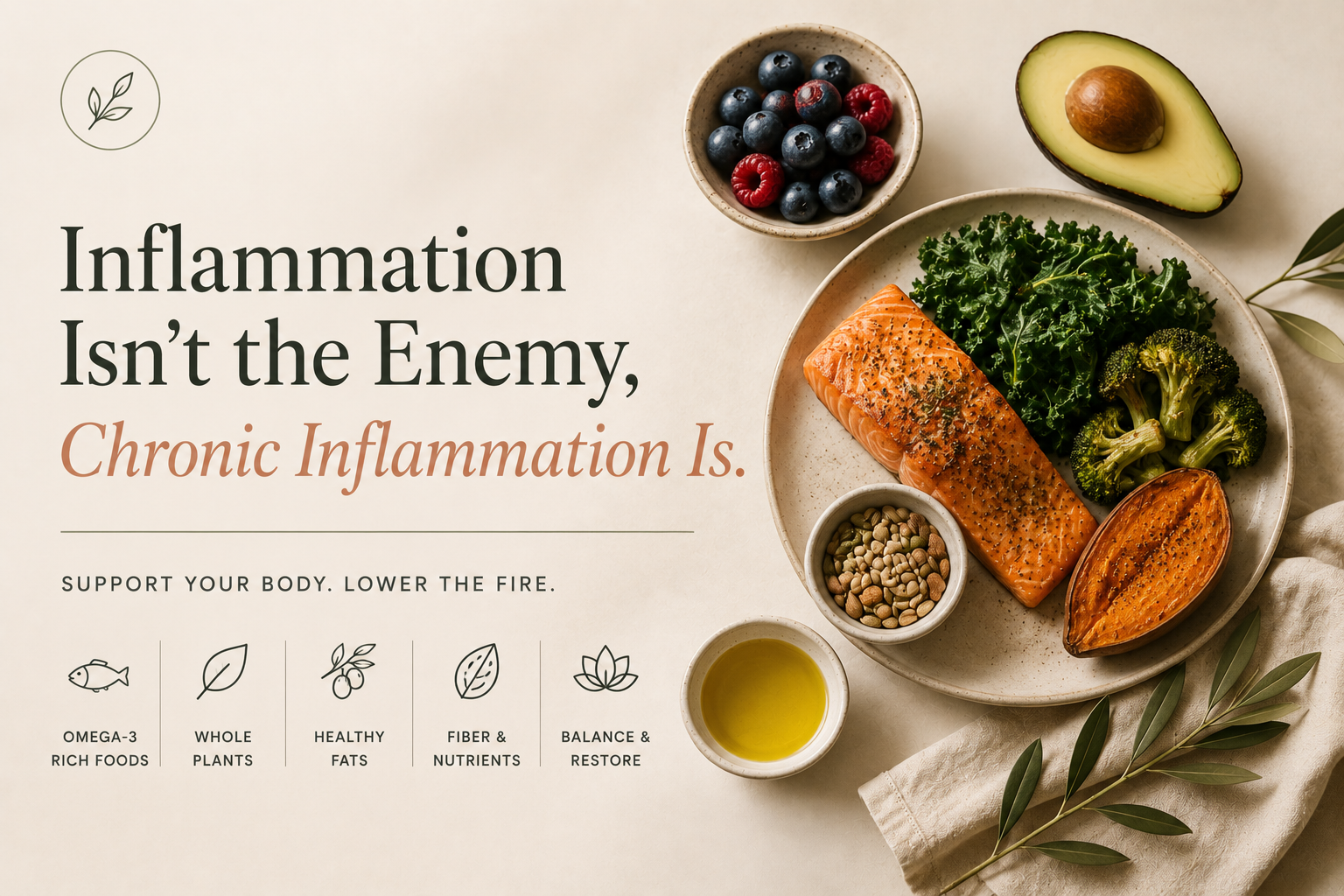
Inflammation Isn't the Enemy, Chronic Inflammation Is
Inflammation has a bit of a branding problem. Used loosely online, the word sounds like something to eliminate entirely, when in reality acute inflammation is a normal, essential process, the body's immediate response to an injury, infection, or irritant, and it's supposed to happen. The actual concern is chronic, low-grade inflammation: a background level of immune activation that doesn't fully resolve, often driven by diet, stress, poor sleep, and excess body fat, and that quietly contributes to a wide range of conditions over years rather than days.
Why This Deserves Particular Attention for Women
Chronic inflammation is implicated in a notably wide range of conditions that disproportionately affect women, including autoimmune thyroid disease, PCOS, endometriosis, and cardiovascular disease, the latter of which is often underdiagnosed in women precisely because symptoms can look different than the more commonly recognized presentation. Hormonal fluctuations across the menstrual cycle, perimenopause, and menopause also interact directly with inflammatory pathways, which is part of why diet's influence on inflammation carries a bit more weight for women than general nutrition advice sometimes acknowledges.
Foods That Support an Anti-Inflammatory Pattern
Fatty Fish and Other Omega-3 Sources
Salmon, sardines, and mackerel are rich in omega-3 fatty acids, which the body converts into compounds that actively help resolve inflammation rather than simply avoiding foods that provoke it. For those who don't eat fish regularly, walnuts, chia seeds, and flaxseed offer a plant-based, though less efficiently converted, source of the same fatty acids.
Colorful Vegetables and Fruit
The pigments that give vegetables and fruit their color, deep greens, reds, purples, and oranges, are markers of polyphenols and antioxidants that help neutralize the oxidative stress closely tied to chronic inflammation. Berries, leafy greens, and cruciferous vegetables like broccoli and Brussels sprouts are particularly well-studied in this regard.
Extra Virgin Olive Oil
Extra virgin olive oil contains a compound called oleocanthal, which has a mechanism of action with some similarity to anti-inflammatory medications, and its role as a primary fat source is one of the more consistently supported elements of anti-inflammatory eating patterns studied around the Mediterranean diet.
Nuts and Seeds
Beyond their omega-3 content, nuts and seeds provide magnesium and vitamin E, both of which play supportive roles in regulating inflammatory pathways, and their combination of healthy fat and fiber also helps stabilize blood sugar, an indirect but meaningful contributor to lower overall inflammation.
Fiber-Rich Whole Grains and Legumes
Fiber feeds the beneficial bacteria in the gut microbiome, which in turn produce short-chain fatty acids that help regulate immune function and reduce inflammatory signaling. Oats, quinoa, lentils, and beans are all strong contributors on this front.
Herbs and Spices
Turmeric, ginger, and garlic each contain specific compounds that have been studied for anti-inflammatory activity. They're not a substitute for the broader dietary pattern, but incorporating them regularly, rather than as an occasional garnish, is a reasonable, low-effort addition.
Foods and Patterns Worth Limiting
Refined Sugar and Refined Carbohydrates
Diets high in refined sugar and refined starches are associated with elevated markers of inflammation, largely through their effect on blood sugar spikes and downstream insulin activity. This doesn't mean all carbohydrates are a problem, but the more refined and stripped of fiber a carbohydrate is, the more it tends to work against an anti-inflammatory pattern.
Ultra-Processed Foods
Foods built around a long list of refined ingredients, additives, and industrial oils tend to promote inflammation more than any single ingredient within them, largely because of how they affect the gut microbiome and overall dietary quality when they make up a large share of intake.
Excess Refined Oils in Fried and Heavily Processed Foods
The concern here isn't any single oil in isolation, but the combination of refined oils used repeatedly at high heat in fried and packaged foods, a pattern that's been more consistently linked to inflammation than the oil itself in a simple, home-cooked context.
Excess Alcohol
Alcohol in excess places a direct burden on the liver and gut lining, both of which play central roles in regulating systemic inflammation, making moderation, rather than necessarily elimination, the more evidence-based target for most people.
Building a Realistic Anti-Inflammatory Plate
In practice, this doesn't require a rigid, restrictive framework. A plate built around a palm-sized portion of protein, a generous portion of colorful vegetables, a source of healthy fat like olive oil or avocado, and a modest portion of whole, fiber-rich carbohydrates covers most of the ground outlined above without needing to track a single ingredient. Consistency across most meals matters far more than any individual meal being perfect.
Signs Chronic Inflammation Might Be Worth Investigating Further
Persistent fatigue, joint stiffness, skin issues like eczema or acne that don't resolve with topical treatment, digestive symptoms, and irregular menstrual cycles can all be connected to underlying inflammation, though none of them confirm it on their own. If these symptoms persist despite reasonable dietary changes, it's worth discussing with a doctor, including whether inflammatory markers like CRP are worth checking directly.
The Bottom Line
An anti-inflammatory diet isn't about fear of any single food group, it's about shifting the overall balance of what's on the plate most days toward foods that support the body's natural regulation of inflammation, and away from the patterns, refined sugar, ultra-processed foods, and excess alcohol, that consistently work against it. For women specifically, given how closely inflammation intersects with hormonal and autoimmune conditions, this isn't a fringe wellness trend, it's a genuinely well-supported piece of long-term health.
Frequently Asked Questions
Is all inflammation bad for the body?
No. Acute inflammation is a normal, necessary response to injury or infection. The concern is chronic, low-grade inflammation that persists over time without fully resolving.
Do I need to eliminate entire food groups to reduce inflammation?
Not typically. Most evidence points toward shifting the overall balance of the diet, more whole foods and fiber, less refined sugar and ultra-processed food, rather than eliminating entire categories.
How long does it take to notice a difference from an anti-inflammatory diet?
Some people notice changes in energy or digestion within a few weeks, though markers like inflammation-related bloodwork typically take a few months of consistent change to shift meaningfully.